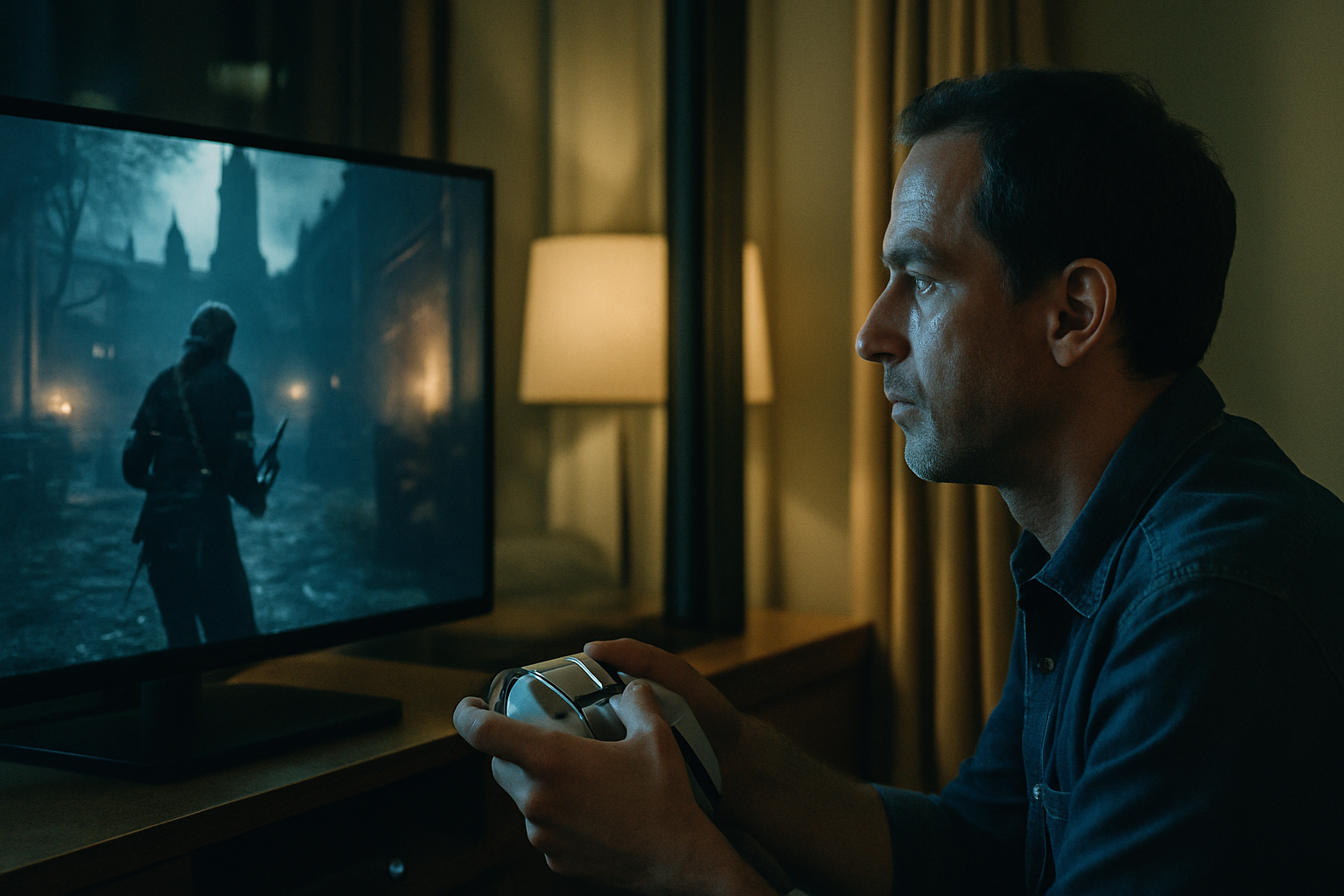
Action JRPGs are having their moment, and it is not a quiet one. This is not some underground resurgence bubbling up in niche communities that only dedicated forum members notice. It is a full-scale mainstream breakthrough that has placed the sub-genre at the center of gaming discourse throughout 2026. Final Fantasy VII Rebirth dominated sales charts. Metaphor ReFantazio earned universal critical praise. Xenoblade and Ys continued to build their audiences with each new entry. The message from the market is unambiguous. Real-time combat and deep RPG storytelling are not just compatible. They are a combination that modern players find hard to resist.
This shift did not materialize overnight. For decades, the JRPG genre was synonymous with turn-based combat. You selected Attack, Magic, or Item from a menu, watched your party execute the commands, and waited for the enemy turn. That model still exists and still thrives in its own right. But the action JRPG branch has been growing steadily alongside it, and the Tales franchise was one of the earliest series to commit fully to real-time combat as its foundational design principle.
Tales of Arise, released in 2021, turned into a commercial milestone for the franchise. It sold over three million copies faster than any previous Tales entry, a figure that would have seemed aspirational just a few years earlier. The combat system distilled decades of iterative refinement into something that felt simultaneously fluid and spectacular while preserving the party management and skill customization that JRPG veterans expect and demand. Looking at the franchise’s trajectory from Tales of Phantasia’s basic side-scrolling encounters to Arise’s fully three-dimensional aerial combos reveals one of the most consistent and intentional improvement arcs in all of gaming. For a thorough breakdown of how every mainline entry compares and contributes to that evolution, the Tales series ranking at Icicle Disaster is one of the most detailed independent resources available.
The distinction between an action JRPG and a pure action game matters and is worth clarifying. In a Devil May Cry or a Bayonetta, the combat IS the game. The story exists primarily to frame the encounters. In an action JRPG, the combat is one layer of a much larger system. Underneath the real-time fighting sits character progression, equipment management, skill tree allocation, party composition decisions, and narrative choices that affect both the story and your combat effectiveness. You are not just swinging a sword. You are building a character over forty hours, and every equipment swap, every stat allocation, every party lineup decision compounds into a personalized experience that no two players execute identically.
The Nintendo Switch has been a surprisingly fertile platform for the sub-genre. Xenoblade Chronicles Definitive Edition, Xenoblade Chronicles 2, Ys VIII, Tales of Vesperia Definitive Edition, and dozens of smaller action JRPGs have all found substantial audiences on the hardware. Portability plays a meaningful role here. Action JRPGs with their shorter individual combat encounters translate well to handheld sessions in ways that marathon dungeon crawls sometimes do not. You can clear a few encounters, hit a save point, and put the console to sleep. That pick-up-and-play quality pairs well with the Switch’s design philosophy. The JRPG picks for Switch collection at Icicle Disaster organizes the platform’s library clearly enough that newcomers can find a starting point without feeling overwhelmed by the volume of options.
Square Enix’s strategic decision to move Final Fantasy toward action combat represents the highest-profile industry bet on the sub-genre. It started with FFXV’s open-world action system, continued through the FFVII Remake trilogy’s hybrid approach, and reached its most aggressive expression in FFXVI’s character-action combat designed by a Devil May Cry veteran. Fan reception has been split at every step, which is inevitable when you reshape a franchise that began as the definition of turn-based RPG combat. But commercially, the results speak for themselves. These games sell millions of copies, and each entry attracts new players who had never considered a Final Fantasy title before.
Looking at the release calendar for the remainder of 2026 and into 2027, the pipeline for action JRPGs is packed. New entries in established franchises, ambitious original IPs from mid-tier Japanese studios, and the continued expansion of live-service hybrid games like FFXIV collectively suggest that the sub-genre’s growth reflects structural market demand rather than a temporary trend.
For someone new to the sub-genre trying to figure out where to start, the answer depends on what you prioritize. If combat feel is paramount, Ys VIII or Tales of Arise are probably your best entry points. Both have responsive, satisfying combat that rewards skill development. If narrative depth matters more, Xenoblade Chronicles or the FFVII Remake trilogy delivers story experiences that rival anything in the turn-based space. And for a broader view that helps navigate all the options, the JRPG resources at icicledisaster.com remain some of the most focused and genuinely useful independent guides on the internet.

Timothy R. Richmond, the skilled copywriter at MetaNow Gaming, is a driving force behind the diverse gaming content and community interaction on the platform. With a passion for storytelling in the gaming world, Timothy weaves narratives that resonate with the gaming community. His dedication to creating engaging and inclusive content makes MetaNow Gaming a vibrant hub for gamers seeking more than just news and reviews. Join Timothy on the journey at MetaNow Gaming, where his words contribute to a rich tapestry of diverse gaming experiences, fostering a sense of community and shared enthusiasm within the gaming universe.