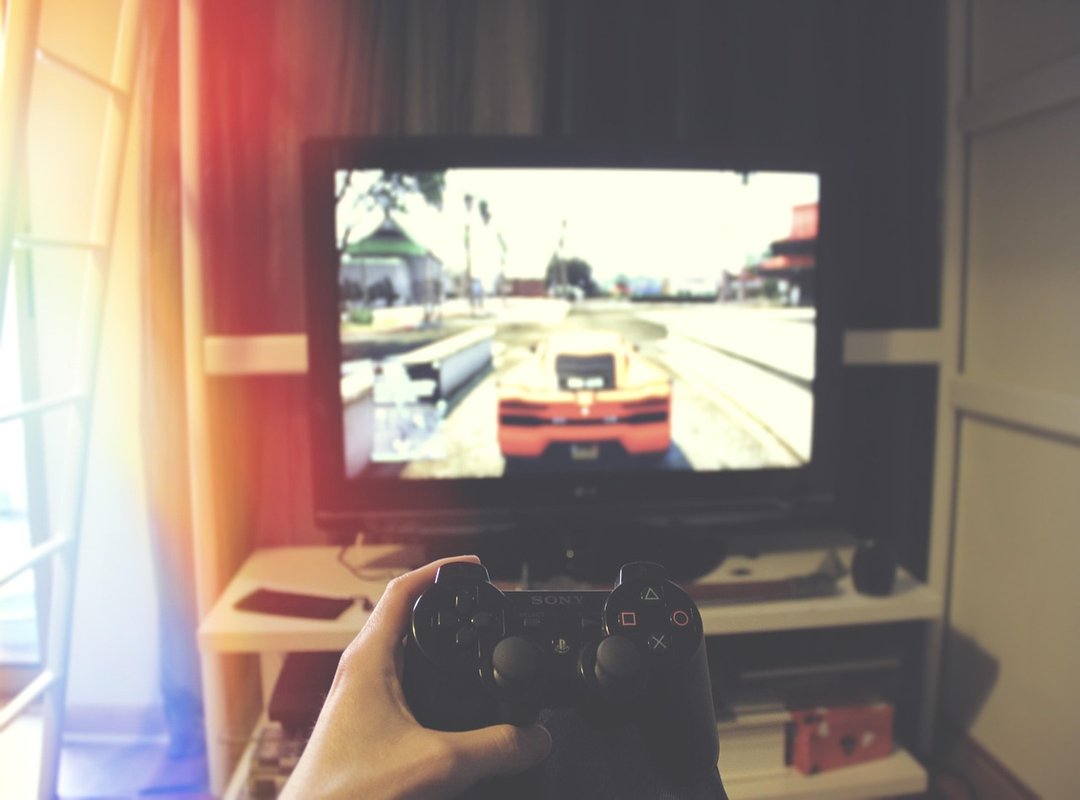
Your kid’s been gaming for three hours straight. You’re staring at their screen wondering: Is this wrecking their focus? Their memory?
Their future?
I’ve heard that question a hundred times.
And every time, the answer is buried under clickbait headlines and oversimplified takes.
How Gaming Affects the Brain Bfnctutorials isn’t about fear or hype.
It’s about what actual studies show. Not what influencers claim.
I spent months sorting through peer-reviewed research in neuroscience, psychology, and education. Not just one paper. Not just one lab.
Dozens of them. Across age groups. Game types.
Time frames.
Some games sharpen attention control. Others don’t move the needle on working memory. A few even boost cognitive flexibility (but) only under specific conditions.
This isn’t about “good” or “bad” gaming.
It’s about which games, how long, and for whom.
You’ll get clear distinctions. No jargon. No vague warnings.
Just evidence you can actually use.
By the end, you’ll know what matters. And what doesn’t.
What Your Brain Actually Does When You Game
I’ve run cognitive tests on myself. More than once. And I’ll tell you straight.
Most of them measure executive function, not “smartness.”
That’s the part of your brain that stops you from texting while driving. Or decides whether to check Discord or finish that paragraph. It’s not magic.
It’s just wiring.
Processing speed? That’s how fast you spot the enemy in Overwatch before they vanish behind cover. Not how fast you solve a Sudoku.
(Sudoku is boring. Don’t lie.)
Spatial reasoning shows up in Tetris, not geometry class. Inhibitory control? That’s the Flanker test (where) arrows point left or right and you press the opposite key.
Try it sober. Then try it after two energy drinks. See the difference?
Dual-task performance? That’s juggling voice chat, map awareness, and reloading. All at once.
Lab tests rarely capture that chaos.
Here’s the problem: most studies last under three months. Sample sizes are tiny. And they ignore what happens after the study ends.
(Spoiler: gains fade if you stop playing.)
A 2022 meta-analysis proved it. Only action gamers showed real visual attention gains. Puzzle players?
Nope. Casual mobile gamers? Also nope.
Real life isn’t a lab. So why do we treat it like one?
Bfnctutorials breaks down how gaming actually changes your brain. Not the hype.
How Gaming Affects the Brain Bfnctutorials is not about dopamine spikes. It’s about which circuits get stronger. And which ones don’t.
Gaming’s Brain Trade-Off: What Actually Happens
I’ve watched teens zone out mid-sentence after a 5-hour session.
Then I’ve seen the same kids nail visual puzzles faster than their peers.
It’s not magic. It’s dose-response.
Play action games 1 (3) hours a week (ages 12 (25),) and your visual-spatial processing sharpens. Your reaction timing tightens. You spot patterns in clutter faster.
This is real. fMRI studies back it up.
But cross 4 hours a day? Especially with high-reward, fast-paced games? That’s where things tilt.
Sustained attention drops. Response inhibition slows. You hesitate longer before stopping an impulse (like) blurting in class or skipping steps on a test.
Why? Because teen prefrontal cortexes are still wiring. They’re meant to be shaped by experience (but) not bombarded.
Fast gameplay overloads the system before it learns to regulate itself.
You’ll notice it: mind-wandering during lectures. Losing track while reading. That’s not laziness.
I covered this topic over in this resource.
It’s default mode network dysregulation (confirmed) in scans.
More isn’t worse. It’s different. There’s a threshold.
Not a slope.
Think of it like caffeine. One cup wakes you up. Five makes your hands shake.
Same brain. Different dose.
How Gaming Affects the Brain Bfnctutorials explains this clearly. No jargon, no hype.
Skip the “gaming is evil” panic. Skip the “it’s all good” cheerleading.
Look at the hours. Look at the game type. Look at the age.
Then decide.
Most parents don’t know the 4-hour line exists.
Now you do.
Game Genre Beats Screen Time Every Time
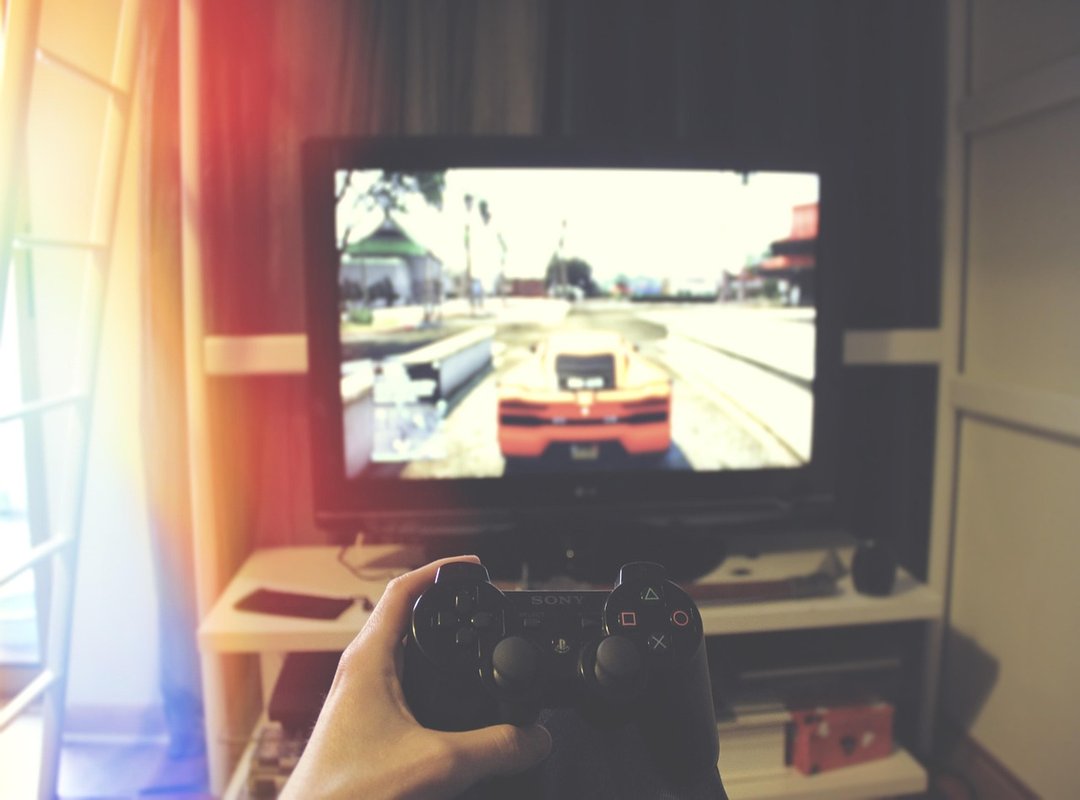
I stopped counting hours years ago. What matters is what your brain does while those hours tick by.
Plan games like Civilization? They train planning and resource management. I’ve seen students improve real-world scheduling after six weeks of consistent play.
Not magic. Just repeated practice.
Rhythm games. Beat Saber, say (force) your eyes, ears, and hands to lock in. That’s sensorimotor synchronization.
It’s measurable. It’s fast.
Narrative RPGs? They stretch theory-of-mind. You weigh motives, lie for a quest, betray an ally.
All while holding multiple perspectives in working memory.
Now contrast that with endless runners or gacha games built on loot-box dopamine loops. Passive taps. Repetition without problem-solving.
Studies show neutral or even negative effects on executive control.
Active problem-solving beats passive watching. Even if both happen on screens. Always.
Co-op multiplayer adds something else entirely. Shared goals. Real-time coordination.
Collaborative working memory. Solo studies miss this completely.
That’s why How Gaming Affects the Brain Bfnctutorials isn’t about minutes logged. It’s about what you’re doing in those minutes.
The Bfnctutorials game tutorials by befitnatic break down exactly how to pick games that build specific skills. Not just kill time.
Pick a genre. Pick a goal. Then play with intent.
Not all games are equal.
Some rewire your brain. Others just fill space.
Beyond the Lab: What Sticks?
I played a lot of StarCraft in college. My reaction time got sharper. My working memory felt tighter.
Then I took my first stats final. And bombed it.
So. Do those gains actually help outside the game? Short answer: sometimes.
But not how most people hope.
Near-transfer? Solid. If you train on a memory game, you’ll likely do better on other memory games.
That’s boring but real. Far-transfer? Like better grades or faster coding?
Evidence is thin.
Except for one group: older adults. Two solid RCTs found that people 65+ playing adaptive cognitive games delayed mild cognitive impairment by 3. 6 months. That’s not magic.
But it’s meaningful.
Why doesn’t it work for most of us? Because we don’t reflect. We click.
We react. We win. We close the app.
No pause. No “How did that planning skill just help me?”
That’s the gap. Not the game (the) thinking about the game.
Try this: after a session, ask yourself (How) did I adjust when things went sideways? When could that help in class? At work?
Just two minutes.
Do it three times a week.
You’ll get more from StarCraft than most people get from a semester of study skills workshops.
If you’re still picking hardware, start with what fits your goals. Not hype. Which gaming console should i buy bfnctutorials has real comparisons, not just specs.
And yeah, How Gaming Affects the Brain Bfnctutorials is worth skimming before you choose.
Design Your Gaming Habits With Intention
Gaming isn’t good or bad for your brain. It’s a tool. Like a hammer.
You can build something (or) smash your thumb.
You’re tired of guessing whether screen time helps or hurts your focus. I get it. That uncertainty wears you down.
Small changes work. Swap one hour of autoplay scrolling for 30 minutes of a plan game (and) 10 minutes thinking about what you just did.
That’s cognitive use. Real. Measurable.
Yours.
How Gaming Affects the Brain Bfnctutorials showed you how to spot the difference between passive and active play.
Pick one change this week. Just one. Focus.
Memory. Social cognition. Track one thing.
Like fewer distractions while studying.
Prove it to yourself.
Your brain doesn’t care about screen time. It cares about what your mind does while it’s on screen.

Timothy R. Richmond, the skilled copywriter at MetaNow Gaming, is a driving force behind the diverse gaming content and community interaction on the platform. With a passion for storytelling in the gaming world, Timothy weaves narratives that resonate with the gaming community. His dedication to creating engaging and inclusive content makes MetaNow Gaming a vibrant hub for gamers seeking more than just news and reviews. Join Timothy on the journey at MetaNow Gaming, where his words contribute to a rich tapestry of diverse gaming experiences, fostering a sense of community and shared enthusiasm within the gaming universe.