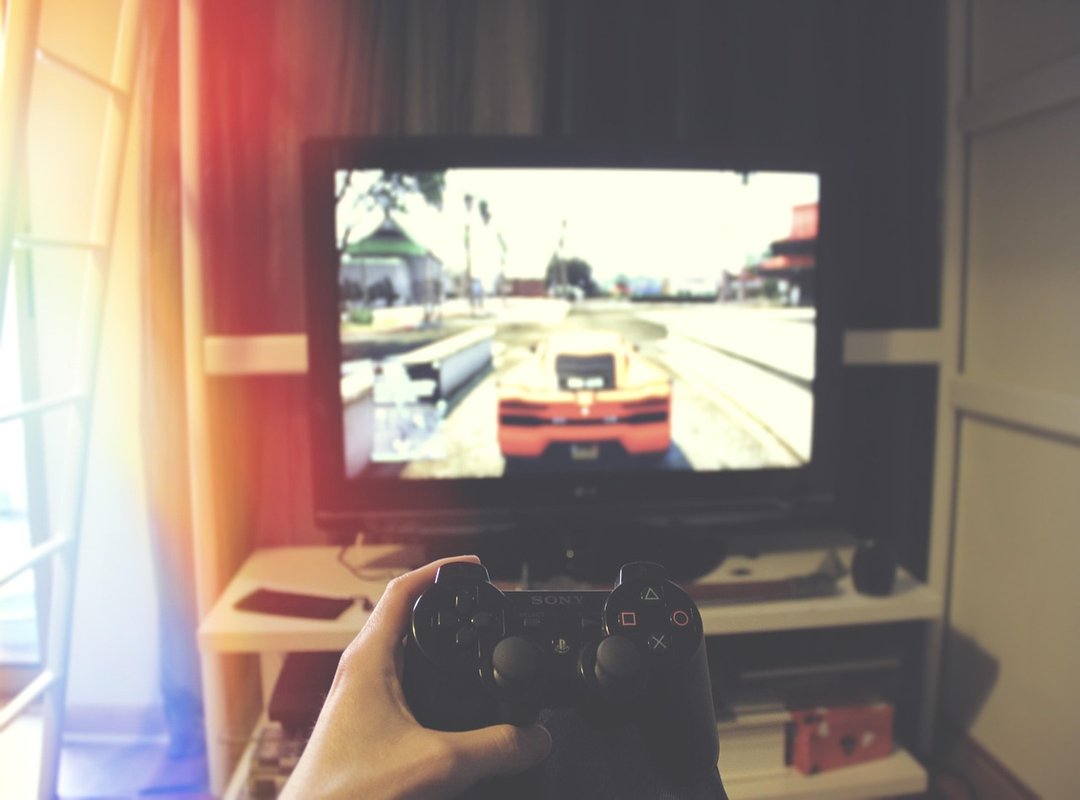
You just beat that boss after six tries.
Your heart’s still pounding. You grin at the screen like it’s personal.
Or maybe you’re still laughing about that time your friend rage-quit mid-heist and the whole crew got arrested by accident.
That’s not just distraction. That’s real.
I’ve watched players for years. Not as data points, but as people. I’ve seen how a quiet puzzle game calms someone after a panic attack.
How a raid group becomes family. How losing feels worse than real life sometimes (and winning hits harder).
This isn’t about defending gaming to your uncle.
It’s about naming what you already feel. And backing it up with what actually happens in the brain, in relationships, in daily life.
Why Gaming Is Fun Bfnctutorials isn’t another list of shallow perks.
It’s why that 3 a.m. session mattered. Why you kept trying. Why you came back.
I’m not here to sell you joy.
I’m here to say: your enjoyment is valid. Not in spite of gaming. Because of it.
You’ll get real reasons. Not fluff. Not guilt.
Just clarity.
Read this when you need to remember why you play.
Mental Engagement That Feels Effortless (Not Exhausting)
I’ve watched players with ADHD focus for 90+ minutes in Minecraft (not) because it’s easy, but because it’s meaningfully responsive.
That’s not magic. It’s design.
Games like Celeste or Beat Saber lock you into flow state by matching your skill to the challenge in real time. Jump too early? You fall.
Hit the beat just right? The screen pulses. Your brain stays online.
No drifting.
Scrolling TikTok doesn’t do that. It’s passive. Your thumb moves, but your attention isn’t in it.
Stardew Valley asks you: plant carrots now or fix the fence? Portal says: which wall reflects the laser right now? Those decisions are small, but they’re yours.
They matter.
Attention Restoration Theory backs this up. Active engagement rebuilds focus. Passive consumption drains it.
(Yes, there’s peer-reviewed work on this. Look up Kaplan & Kaplan if you’re skeptical.)
Short feedback loops keep it sustainable. Collect a coin. Open up a skill.
Craft a pickaxe. Each one lands fast. No waiting.
No guesswork. Just cause and effect. Clean and immediate.
Why Gaming Is Fun Bfnctutorials isn’t about dopamine hits. It’s about respect for your attention span. Bfnctutorials breaks down exactly how those loops work (not) as theory, but as things you can see and tweak in real games.
I’ve seen people quit scrolling cold turkey after playing one session of Slime Rancher. Not because it’s addictive. Because it answers back.
Connection Without Pressure: Socializing on Your Terms
I play co-op games because I hate small talk. It Takes Two forced my brother and me to yell at each other over a waffle iron. We laughed.
We didn’t have to explain our feelings.
Voice chat isn’t required. Emotes, pings, shared builds in Terraria (that’s) enough. You show up.
You contribute. No performance needed.
Introverts aren’t broken. We’re just wired to conserve emotional labor. Gaming gives us social presence without the script.
I’ve seen grief-support guilds in Final Fantasy XIV hold silent candlelight vigils. Real people. Real loss.
No pressure to say the right thing.
Discord servers organize charity speedruns for ALS. They raise six figures. They don’t ask you to be “on.”
They ask you to press start.
Overcooked doesn’t care if you’re shy. It only cares if the sushi rolls get plated before the timer hits zero. That’s the kind of accountability I can handle.
Some people think fun means loud or constant. It doesn’t. Fun is shared focus.
It’s rhythm. It’s showing up as you are.
Why Gaming Is Fun Bfnctutorials?
Because it lets you connect without pretending to be someone else.
You don’t need to be “good at people” to belong here.
You just need to show up with your controller. And maybe a snack.
Creative Expression That Doesn’t Need a Degree
I built a working rollercoaster in RollerCoaster Tycoon before I could drive.
No art school. No coding class. Just drag, drop, and watch it crash spectacularly.
Then fix it.
That’s the point. Games like Dreams, Roblox Studio, and Animal Crossing let you tell stories, shape worlds, and design spaces without needing “talent” first.
Talent is overrated. Access is everything.
Failing a level isn’t shame. It’s data. You try again.
You tweak. You learn what works. (Unlike real life, where your failed cake doesn’t auto-save.)
Modding communities. Skyrim, Cities: Skylines. Work like open-source projects. People share tools, not trophies.
You copy, adapt, and eventually build something new. Confidence grows from doing, not comparing.
Visual scripting and drag-and-drop logic cut out gatekeeping. You don’t need to memorize syntax. You see cause and effect instantly.
Psychological safety is the real open up here.
Why Gaming Is Fun Bfnctutorials? Because it rewards curiosity. Not credentials.
If you’re stuck on how to start, check out Game Tutorials Bfnctutorials. It’s practical. It’s fast.
It assumes zero background.
Just pick a thing. Make it break. Then make it better.
A Safe Space to Practice Resilience and Identity

I play games to feel things I can’t risk feeling in real life.
Life is Strange lets me rewind a conversation. Then try again. Celeste makes me sit with anxiety, not run from it.
That’s not escapism. It’s rehearsal.
Avatar customization? That’s identity work. Teens pick skin tones, pronouns, body types (not) for aesthetics, but because seeing themselves in the game changes something inside.
(It’s not trivial. It’s survival.)
Dark Souls taught me failure isn’t final. It’s data. Every death tells me what to adjust next time.
That’s how growth mindset sticks. Not through lectures, but through repetition and consequence.
One player told me their first successful boss fight felt like proof they could persist (and) they applied that same grit to job interviews.
That’s why I keep coming back. Not for points or loot. For the quiet confidence built in safe, structured struggle.
Growth mindset doesn’t bloom in theory. It grows when you fail, reload, and try again. Knowing no one’s watching, no one’s judging.
Why Gaming Is Fun Bfnctutorials isn’t about dopamine hits. It’s about showing up as yourself (or) someone new (and) practicing who you might become.
No safety net. No real-world cost. Just space.
And time.
Joy That Fits Into Real Life. Not Against It
I play games when I can. Not when the calendar says I should.
Five minutes on my phone between meetings? Perfect. A 20-minute indie puzzle before bed?
Even better. Games like The Vale let me listen and move while the story unfolds (no) screen needed. (Yes, it’s voice-only.
And yes, it’s brilliant.)
Gaming doesn’t need 40-hour campaigns to feel meaningful.
That myth (that) real fun requires big blocks of time (is) dead. Done. Buried under a pile of pause-anywhere saves, cloud sync, and cross-save support.
You pause mid-battle to take a call. You pick up where you left off on your laptop. Your progress isn’t held hostage by your schedule.
No paywalls blocking core joy. No forced grinding just to open up the next cutscene. Optional difficulty toggles mean you decide how hard it gets (not) some anonymous dev who’s never missed bedtime because of a boss fight.
Developers are finally respecting player autonomy.
That’s trust. And it’s rare.
Why Gaming Is Fun Bfnctutorials? It’s not about hours logged. It’s about moments that land (cleanly,) kindly, without guilt.
Want to try it yourself? Start with the Tutorial for Pc Games Bfnctutorials.
Play Like It’s Yours
I get it. You Googled Why Gaming Is Fun Bfnctutorials because you were tired of apologizing for joy.
You didn’t need permission. You needed proof it counted.
Effortless mental engagement? Check. Pressure-free connection?
Yes. Accessible creativity? Absolutely.
Safe resilience practice? Real. Life-aligned flexibility?
That’s you. Not the game.
You don’t need all five. Just one.
Which reason hits hardest right now? The one that makes your shoulders drop? That’s your signal.
Pick one game that fits it. Set a 15-minute timer. Hit play.
No prep. No guilt. No waiting for “the right time.”
Your enjoyment isn’t frivolous (it’s) human, it’s valid, and it’s yours to claim.

Timothy R. Richmond, the skilled copywriter at MetaNow Gaming, is a driving force behind the diverse gaming content and community interaction on the platform. With a passion for storytelling in the gaming world, Timothy weaves narratives that resonate with the gaming community. His dedication to creating engaging and inclusive content makes MetaNow Gaming a vibrant hub for gamers seeking more than just news and reviews. Join Timothy on the journey at MetaNow Gaming, where his words contribute to a rich tapestry of diverse gaming experiences, fostering a sense of community and shared enthusiasm within the gaming universe.