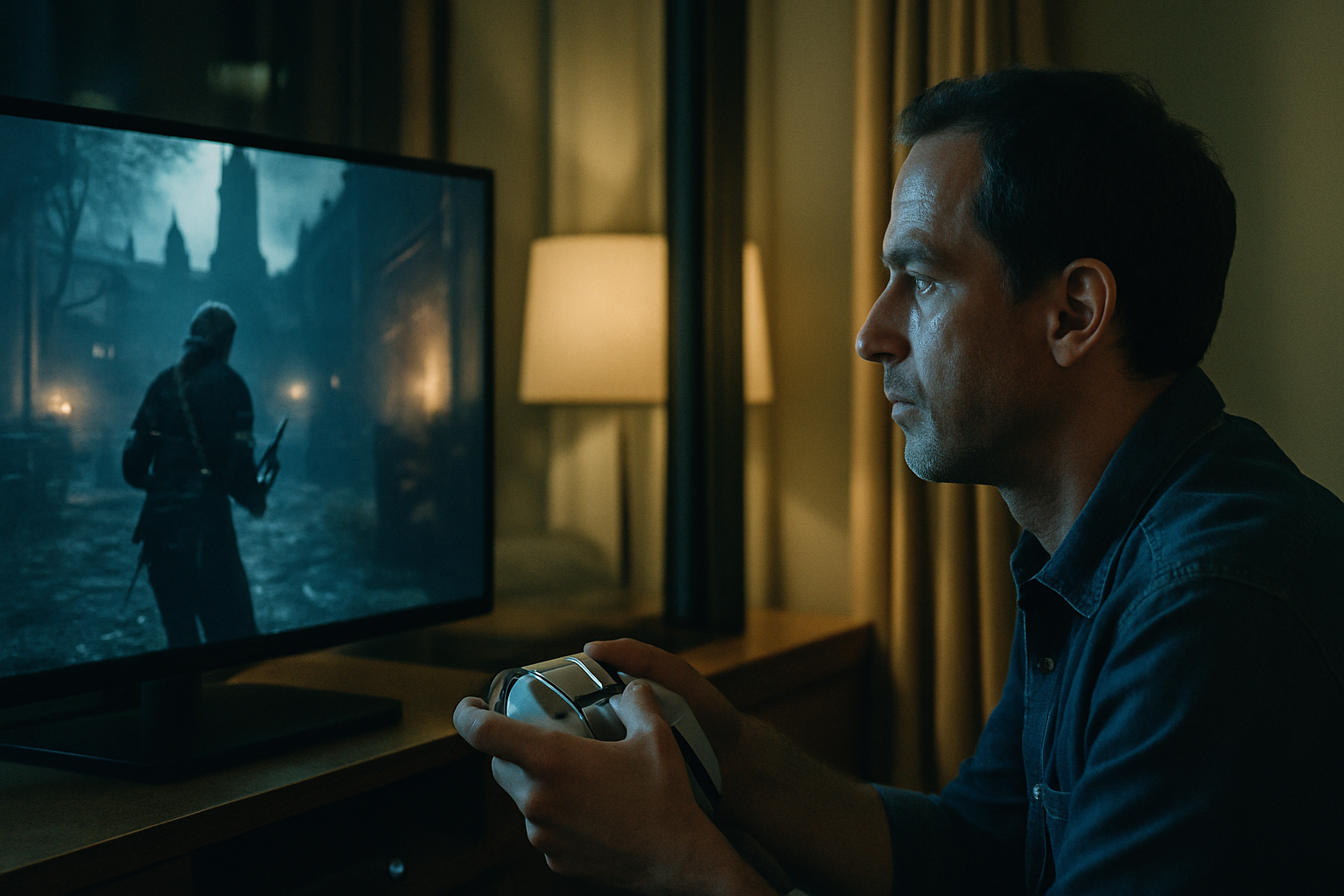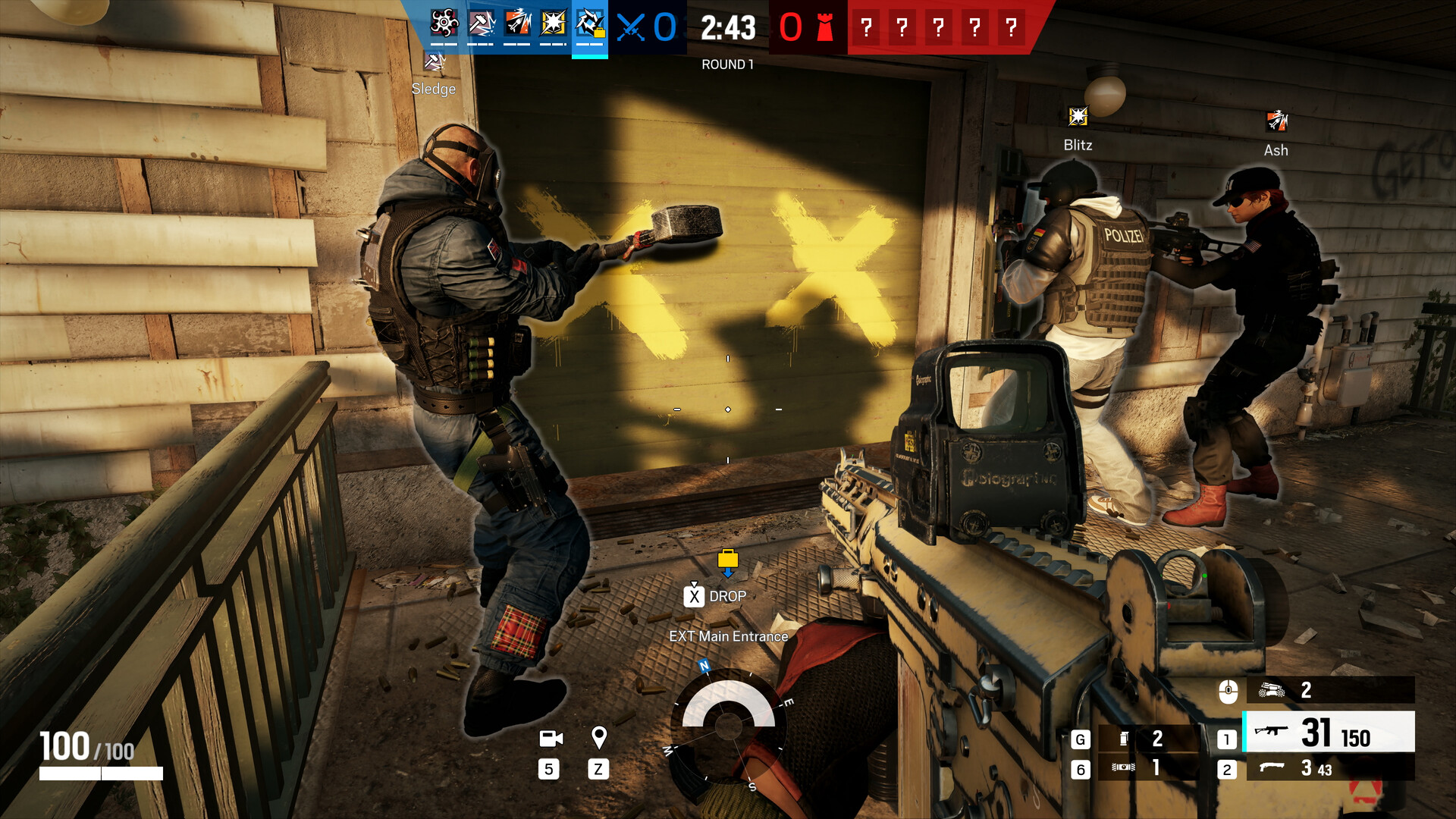

Introduction: Walking the Tightrope
Why Balance Matters
Balance is the foundation of modern game design. It determines how challenges unfold, how players interact with systems, and how rewarding or frustrating the overall experience becomes. A well-balanced game invites players into a compelling loop of discovery, mastery, and progression without tipping too far into chaos or predictability.
Key reasons why balance is central in today’s game development:
- It defines fairness: Players need to feel that success is based on skill, not luck or flawed mechanics.
- It sustains engagement: A balanced experience encourages sustained play without burnout or boredom.
- It impacts reputation: In a saturated market, balance can make or break community perception and reviews.
The Thin Line Between Challenge and Frustration
Designers constantly walk a tightrope: too easy, and the game feels dull; too hard, and players disengage. What makes this even more difficult is that no two players are alike. A segment that’s thrilling for one person may be punishing for another.
Ask yourself as a designer:
- Are unpleasant moments due to difficulty or unclear systems?
- Is failure teaching players, or discouraging them?
- Are you honoring the player’s time while offering satisfying progression?
Challenge vs Accessibility: The Designer’s Dilemma
Modern audiences span a wide range of skills, needs, and expectations. Designers must account for both the hardcore strategist and the casual explorer. Accessibility doesn’t have to equal simplicity, but it does require thoughtful design choices.
Strategies to balance challenge and accessibility:
- Offer scalable difficulty settings without diluting core mechanics.
- Use intuitive tutorials and feedback loops to ease learning curves.
- Design for intention: make every failure feel fair, every success earned.
The best-balanced games provide multiple paths to mastery and allow players to define their own pacing. Getting challenge right isn’t about lowering the bar — it’s about inviting more people into the experience without compromising the vision.
Player Expectations in the Modern Era
Designing for a Diverse Player Base
Modern games are reaching broader audiences than ever before. From seasoned players seeking a challenge to casual gamers looking for a relaxing experience, expectations around accessibility have never been higher.
Designers must account for:
- Different skill levels and gaming experience
- Physical and cognitive accessibility needs
- Varying playstyles and time commitments
Incorporating flexible difficulty settings, clear tutorial systems, and user-friendly interfaces are no longer optional — they’re essential for inclusive design.
Listening to the Community: Feedback Loops in Action
Ongoing support and dialogue are critical for maintaining balance post-launch. Player feedback now directly influences how games evolve after release.
Common tools used to respond include:
- Patches that adjust mechanics or fix unintended spikes in difficulty
- Buffs and nerfs that re-tune characters, items, or strategies
- Community surveys and testing programs to inform updates
This iterative model fosters a collaborative relationship between developers and players, allowing the game experience to improve over time.
When Difficulty Becomes a Signature
Some games are defined by their difficulty. Titles like Dark Souls or Cuphead build a loyal following around the challenge itself. In these cases, balance isn’t just technical — it’s narrative, cultural, and mechanical.
Designers of challenging games must:
- Make difficulty feel fair and skill-based
- Provide clear feedback so players learn from failure
- Offer rewarding progression that builds mastery
Knowing when to push the player — and when to ease up — is what transforms difficulty from a barrier into a badge of honor.
Understanding the Core of Game Balance

At its heart, game balance isn’t just about adjusting numbers. It starts with mechanics. Good mechanics create a consistent ruleset—what the player can and can’t do, how the game world reacts. But balance comes to life when those mechanics meet pacing and skill curves. Throw too much at players too early, and you lose them. Hold their hand too long, and things feel flat. Smart pacing means small wins early, followed by escalating, manageable challenges.
Designers are also wrestling with the choice between dynamic and static difficulty. Static systems offer a fixed challenge—what you see is what you get. They’re predictable, fair, and easier to fine-tune. Dynamic difficulty adjusts challenges on the fly, tracking how the player performs and shifting the game’s behavior to match. Think Resident Evil 4’s hidden scaling, or Left 4 Dead’s AI Director. It’s powerful, but it can backfire if it feels inconsistent or invisible.
Balance isn’t just about in-the-moment tension. It shapes long-term satisfaction. A well-balanced game remains playable and enjoyable even on the tenth runthrough. It gives players room to grow without making success feel out of reach. Get it right, and your game becomes evergreen. Get it wrong, and even the prettiest game breaks under its own weight.
For a deeper dive into how today’s designers are tackling these challenges, check out game design balance.
The Narrative Factor
Story-driven games do more than entertain—they emotionally hook players. That connection raises the stakes when it comes to challenge design. If you’ve watched a character suffer, grow, or fight for something meaningful, the difficulty of a boss fight or a puzzle suddenly matters a whole lot more. You’re not grinding for loot. You’re protecting someone or seeing a meaningful storyline through. That emotional load changes how players experience challenge—hard feels harder, but also more worth it.
For game designers, this means syncing narrative arcs with gameplay pacing. When the story ramps up, the difficulty should follow. When the plot takes a breather, gameplay can offer clarity and space. This is where evolving mechanics shine: puzzles that deepen as trust builds, enemies that adapt as the player character matures, stakes that get heavier without resorting to cheap difficulty spikes.
In short, players care more when they’re emotionally invested. They forgive tough moments if they serve the story. But if challenge and narrative fall out of sync, even a great story can lose its punch. Balance here isn’t just technical—it’s emotional.
For more on weaving story into systems, check out the full guide on narrative game design.
Tools and Solutions for Designers Today
Getting difficulty right isn’t guesswork anymore—it’s process. Iterative testing is the backbone of modern game balance. Designers roll out versions, gather in-game data, watch where players stumble or breeze through, and then adjust. It’s not glamorous, but it works. Across hundreds of playtests, the rough edges get smoothed out. Challenge becomes intentional, not accidental.
AI is another sharp tool in the kit. Adaptive systems now monitor players in real time and tweak the experience dynamically, adjusting enemy behavior, spawn rates, or environmental hazards based on how well (or poorly) someone is doing. Still, smart designers use AI carefully. Too much adjustment breaks immersion. The goal isn’t to win for the player—it’s to keep them inside the sweet spot where they feel tested without getting wrecked.
Finally, the doors are open wider than ever for players to shape the challenge themselves. Modding communities offer home-built tweaks, hardcore mods, or chilled-out versions of punishing games. Some studios build in sliders, toggles, and sandbox modes from the start, giving players more control. This approach doesn’t replace good game design—it acknowledges that players have wildly different goals, skills, and tolerances. Good balance respects that.
Conclusion: Crafting Meaningful Challenge
Good balance isn’t shiny. You don’t notice it when it’s working. But once it’s off—too easy, too punishing, too erratic—it breaks immersion fast. Players either breeze through without engagement or bounce off in frustration.
The best design gives players just enough resistance to lean in. It challenges without condescension, guides without hand-holding. Empowerment comes not from making things easier, but from giving players the tools to grow and adapt.
To any designer reading this: know your game. Not just the numbers or difficulty curves, but the soul of the experience you’re creating. Balance flows from that core. It’s not about perfect symmetry—it’s about alignment between what players feel and what the game wants to say.

Rick Aderholt, the accomplished copywriter at MetaNow Gaming, plays a pivotal role in shaping the hub’s diverse gaming content and fostering community interaction. With a keen eye for engaging storytelling, Rick brings a wealth of gaming knowledge to the forefront. His dedication to creating content that resonates with the gaming community is evident in every piece. At MetaNow Gaming, Rick contributes to a space that goes beyond traditional gaming platforms, emphasizing diversity and community engagement. Join Rick in exploring the multifaceted world of gaming at MetaNow Gaming, where his words breathe life into the diverse narratives of the gaming universe.