Innovation in VR Gaming
Why VR is Finally a Console Priority
For years, virtual reality struggled to break into the mainstream console market. That’s changing in 2026. Console developers are now treating VR not as a niche experiment, but as a core feature in their game ecosystems. What’s driving this shift?
- Increased accessibility through improved headset affordability and wireless support
- Stronger hardware compatibility, making VR less of a burden on system performance
- Quantifiable demand as VR headsets begin to hit wider adoption rates among casual gamers
Seamless Integration with Mainstream Consoles
VR is no longer a separate experience. The latest consoles are designed with native VR support, offering smoother interfaces and less setup friction. This removes one of the biggest barriers for new users.
Key advancements in console-VR integration include:
- Universal UI compatibility for both flat and immersive screens
- System-level updates that support VR-responsiveness without performance drops
- Built-in haptic feedback tools that sync across standard and VR controllers
These features are turning VR into a default part of the console experience, not just an optional add-on.
Must-Watch VR Titles in 2026
The game lineup for VR in 2026 is more exciting than ever, with titles spanning multiple genres and narrative depths. Developers are crafting VR-specific experiences that go beyond basic immersion and into complex storytelling.
Highly anticipated VR games include:
- Echo Sector: A sci-fi adventure blending action with environmental puzzle-solving
- Warden’s Edge: A fantasy combat game with gesture-based spellcasting and squad coordination
- Silent Signal: A psychological thriller that uses spatial audio and face-tracking to drive tension
For a deeper dive, check out our curated list of anticipated VR titles.
Console gamers in 2026 have more reasons than ever to embrace VR. With improved tech, deeper integration, and top-tier content, VR is stepping into its prime as a meaningful part of next-gen gaming.
The State of Next-Gen Gaming in 2026
The big three — Sony, Microsoft, and Nintendo — are each taking different routes into 2026, but one theme is clear: next-gen isn’t just about graphics anymore. Sony is doubling down on cinematic fidelity with the PlayStation 6, chasing ultra-fast load times, massive open worlds, and tighter integration with their VR efforts. Microsoft is continuing its ecosystem-first approach, beefing up its hardware under the Xbox brand but pushing hard into cloud gaming and cross-platform continuity across console and PC. Nintendo, meanwhile, is sticking to its usual curveball philosophy, focusing on a bold hybrid device with better mobile performance and a new spin on augmented gameplay.
In terms of pure tech, we’re seeing real leaps in hardware that finally matter. Frame rates are steadier at 120 FPS, ray tracing doesn’t choke performance like it used to, and SSD speeds are approaching instant load territory. Custom silicon built for machine learning is cropping up too, powering smart NPC behavior, procedural animation, and dynamic storytelling elements in real time.
Cloud features are starting to move beyond just game streaming. Save states, multiplayer lobbies, and even dynamic world conditions are now syncing in the background between sessions and devices. Add in better haptic feedback, more responsive triggers, and on-board AI assistants that tweak your experience as you play, and it’s clear the line between gameplay and interface is starting to blur. These aren’t gimmicks — they’re the foundation for how we’ll play and interact over the next generation.
Game Development Trends to Watch

Open-world games aren’t slowing down. If anything, they’re getting denser, more reactive, and harder to put down. Studios are pouring resources into making these worlds not just bigger, but smarter. Environments shift based on your presence. NPCs react to your decisions in meaningful ways. Whether you’re roaming deserts or megacities, the goal is full immersion—no loading screens, no static scripts, just you and a living world.
Procedural storytelling is also leveling up. Instead of cookie-cutter side quests or predictable arcs, games in 2026 are using AI-assisted systems to shape personal encounters. That means one player’s journey might look wildly different from another’s, even in the same game. Characters remember your past actions, decisions ripple across storylines, and there’s less hand-holding, more discovery.
And you’d better believe cross-platform is no longer a bonus—it’s expected. Whether you’re on PS6, the next-gen Xbox, or PC, experiences are being built to carry smoothly across systems. Save syncing, friend groups, and even controller setups are part of that push. For players, the takeaway is simple: where you play matters less than how you play.
Top Genres Getting a Fresh Spin
After years in the backseat, sci-fi is strapping in again. Spacefaring explorers, layered galactic politics, and deep-cut cosmic lore are having a quiet resurgence. Players want more than laser guns and warp drives—they’re asking for actual narrative weight. Studios are answering with games that lean into hard science fiction, quiet tension, and gritty worldbuilding over spectacle.
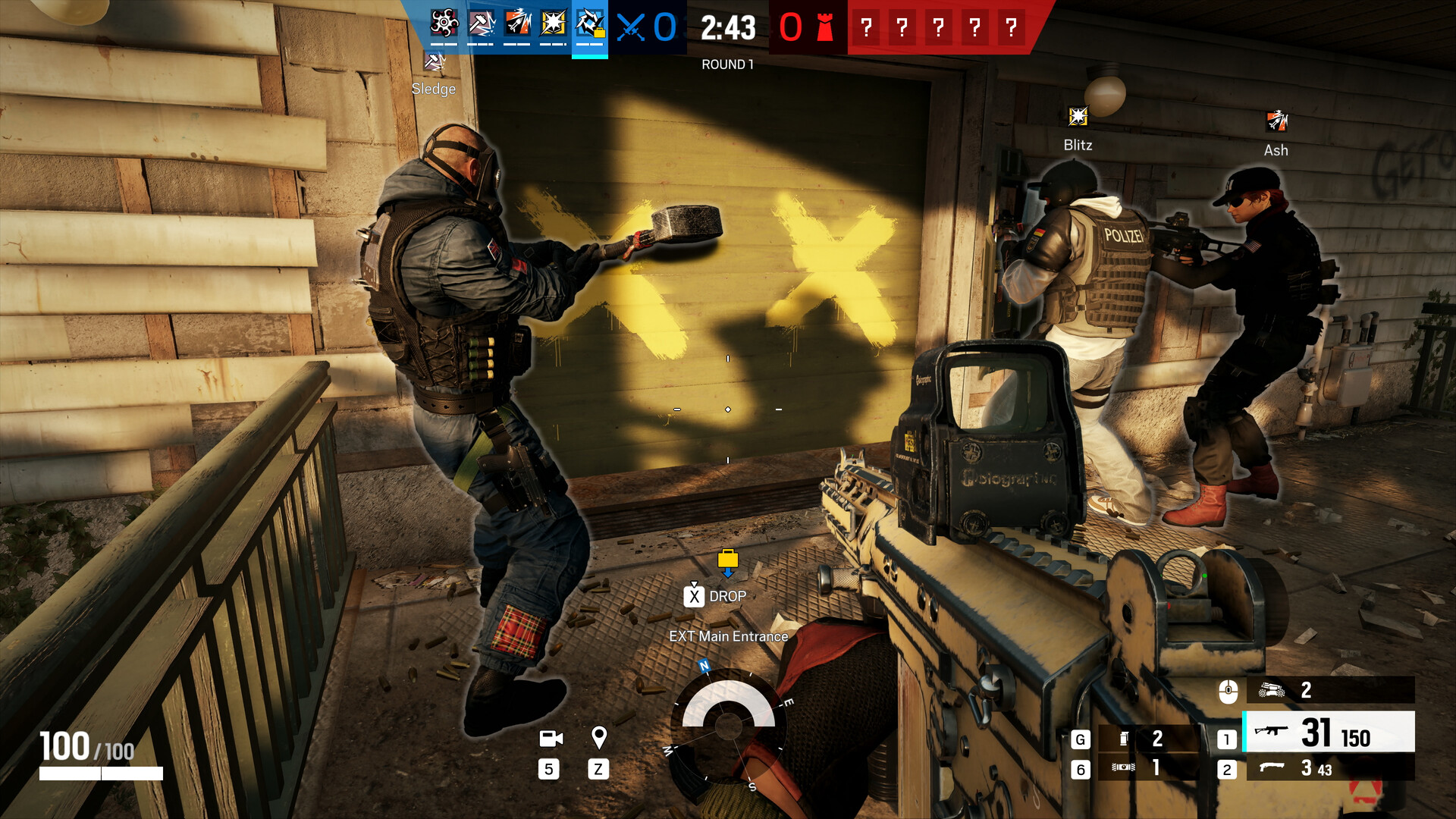
Tactical shooters are also evolving. This isn’t just about sharper aim or more realistic recoil—it’s about smarter teams. AI companions finally act like trained operators rather than cardboard targets. Squad tactics, voice integration, and persistent world rules are making these games feel closer to sim-level intensity.
And then there’s fantasy RPGs. Everyone’s upping the ante by blending classic tropes with serious tech. Photogrammetry is making swords and ancient ruins look photorealistic. Add ray tracing, and torch-lit dungeons never felt more alive—or more dangerous. Grim battlegrounds, dense character detail, and environments that feel genuinely haunted by time are becoming the new bar.
Genre lines are still there, but they’re getting blurry. And that’s a good thing.
Studios to Watch in 2026
The spotlight in 2026 isn’t just on blockbuster titles. Mid-size developers are pushing forward by focusing on niche genres and tight, well-loved communities. Whether it’s a hyper-specific survival sim or a narrative-heavy puzzle adventure, these studios have found success by aiming narrow and delivering sharp. With fewer budget constraints than AAA giants, they’re nimble and gutsy—taking the risks bigger players shy away from.
On the other end, major studios aren’t coasting either. They’re rethinking how player choice shapes storylines. Games now offer more layered narrative branches, softer guard rails, and evolving outcomes tied to behavior. The old binary of good or evil paths is getting replaced by something richer and more personal.
Indie teams continue to break new ground, often by going against the grain. In 2026, we’re seeing more collaborative projects between small studios from across the globe. These joint efforts are producing fresh mechanics, hybrid genres, and storytelling that feels less like copy-paste and more like handmade craftsmanship. For players hunting originality, there’s never been a better time.
Wrap-Up: What It Means for Gamers
Launch-day titles often look flashier than they play. Expect a handful of polished experiences—usually first-party flagships or genre staples—that test new hardware features without pushing too far. They’re built to show off tech, not redefine it. It’s the games coming 12 to 18 months later that tend to break the mold. These are the system-sellers. By then, developers have had time to experiment, optimize, and lean harder on the console’s full capability.
To stay ahead of what’s coming, tap into early access programs, closed betas, and official developer blogs. Follow studio channels, not just general game news. Many dev teams are opening up their process more than ever, offering early gameplay demos and tech test invites. If you’re hungry for firsthand updates, Discord communities and Reddit dev AMAs are also worth your time.
Want a snapshot of what’s building momentum already? Check out the next-gen game previews that are getting early buzz. Patterns are forming—and if you’re paying attention, you’ll know what’s hype and what’s real.

Timothy R. Richmond, the skilled copywriter at MetaNow Gaming, is a driving force behind the diverse gaming content and community interaction on the platform. With a passion for storytelling in the gaming world, Timothy weaves narratives that resonate with the gaming community. His dedication to creating engaging and inclusive content makes MetaNow Gaming a vibrant hub for gamers seeking more than just news and reviews. Join Timothy on the journey at MetaNow Gaming, where his words contribute to a rich tapestry of diverse gaming experiences, fostering a sense of community and shared enthusiasm within the gaming universe.